I still remember the first time I tried creating NFT art. I had ideas. I had motivation. What I didn’t have was design skills, expensive software, or a big budget. That’s where AI quietly changed the game.
AI generated NFT art platforms are no longer just experimental tools for tech geeks. They’ve become a serious opportunity for artists, side hustlers, and even complete beginners who want to enter the NFT space without burning money or time.
But here is the thing.
Not every platform is worth your attention, and not every AI-generated NFT actually sells.
Let’s break this down honestly, step by step.
What Are AI Generated NFT Art Platforms Really?
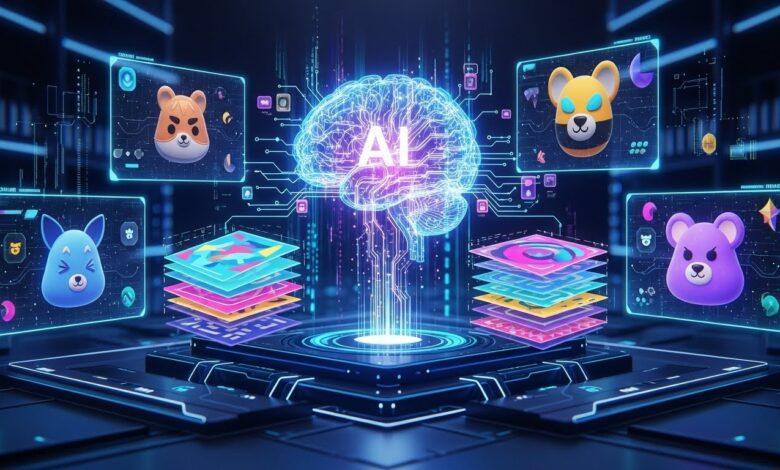
At their core, AI generated NFT art platforms use machine learning models to turn prompts, traits, or datasets into unique digital artwork. You don’t “draw” in the traditional sense. You guide the AI.
Think of it like giving instructions to a very fast, very creative assistant who never gets tired.
You decide:
Style
Color palettes
Traits and layers
Output quantity
The AI handles the execution.
What does this mean for you?
It removes the biggest barrier: technical art skills.
Why AI NFTs Are Exploding (And Why Most People Still Miss the Opportunity)
NFT hype may have cooled, but AI NFTs are moving differently.
Why?
Creators can launch faster
Costs are lower
Collections can scale easily
Utility matters more than hand-drawn perfection
I’ve seen people spend months drawing collections that never mint out. I’ve also seen smart creators test AI collections in a weekend and iterate fast.
The difference isn’t luck. It’s strategy.
Best Types of AI Generated NFT Art Platforms
Not all platforms do the same job. Some are better for experimentation, others for production.
1. Prompt-Based AI Art Platforms
These platforms generate art based on text prompts.
Best for:
Concept art
1/1 NFTs
Story-driven collections
You describe what you want. The AI visualizes it.
2. Trait-Based NFT Generators
This is where collections are born.
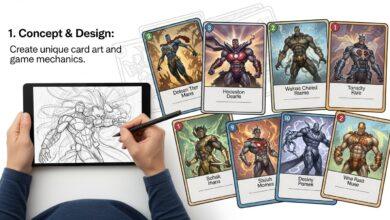
You upload layers:
Backgrounds
Faces
Accessories
Effects
Then generate thousands of combinations.
This is where tools like free 10,000 nft generator options become attractive for beginners testing the market without upfront costs.
3. Hybrid AI + Manual Control Tools
These give you AI assistance without losing creative control.
To be honest, this is where most serious creators eventually land.
Read Article : Discover the latest in Artificial Intelligence
Can You Really Create NFTs Without Spending Money?
Short answer? Yes.
Smart answer? Yes, but with limits.
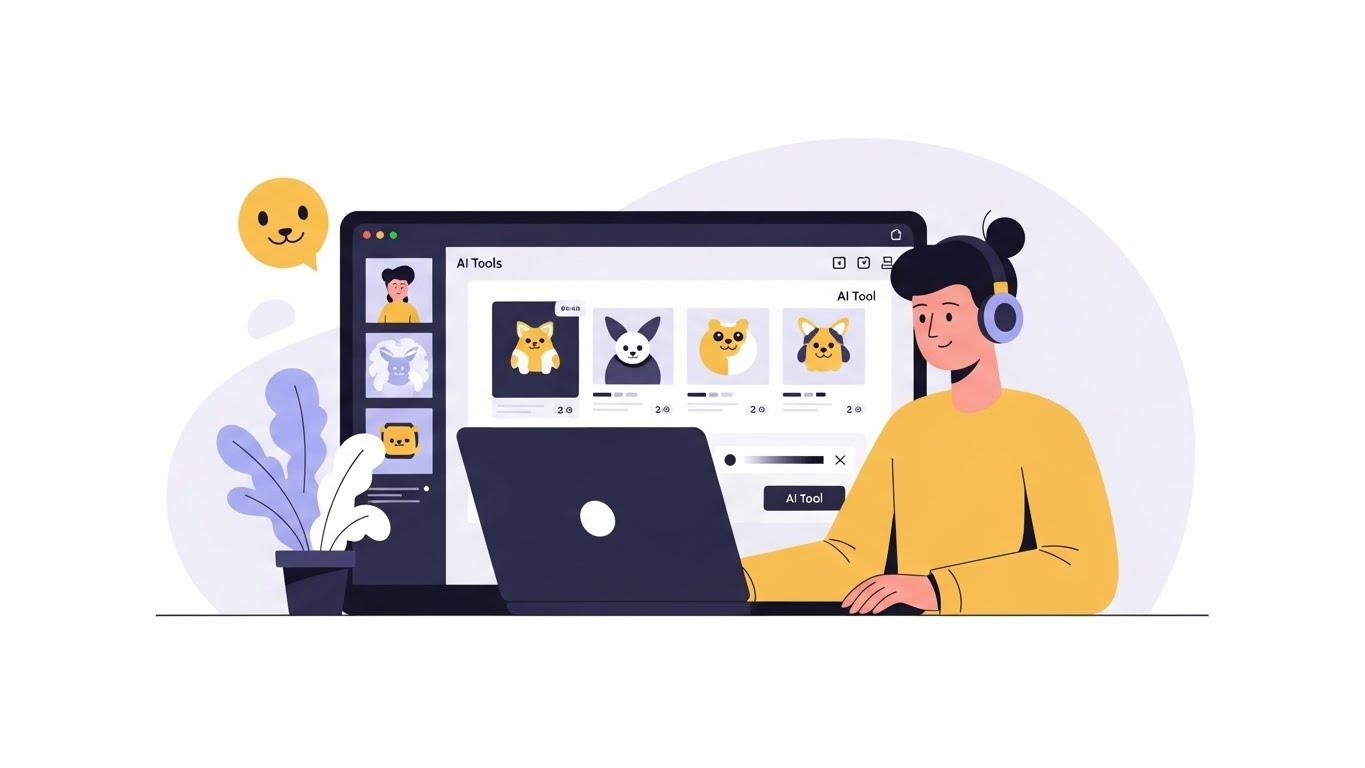
There are solid tools offering ai nft generator free options that let you:
Generate sample collections
Test styles
Validate ideas
Just don’t expect premium resolution, advanced metadata handling, or full commercial rights at the free tier.
Free tools are for testing, not scaling.
How to Make Your Own NFT Art for Free (Without Feeling Lost)
Let’s walk through a simple scenario.
Imagine you want to create a small experimental collection. No pressure. No big promises.
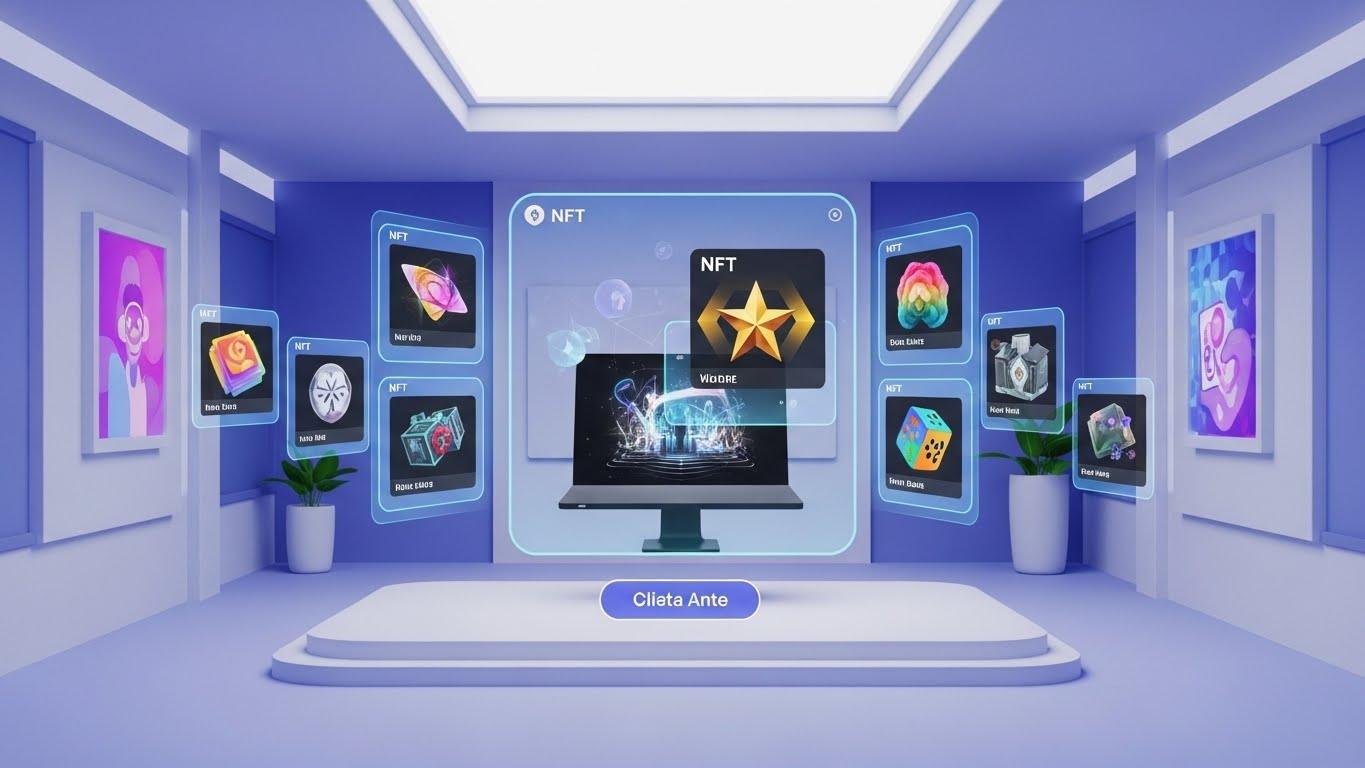
Here’s how how to make your own nft art for free actually works in practice:
Choose a free AI art tool or generator
Decide one clear theme (don’t overthink it)
Generate 10–20 sample pieces
Pick the best style that feels consistent
Refine prompts or traits
Prepare metadata manually if needed
This phase isn’t about perfection. It’s about learning how the AI responds to your creative direction.
That feedback loop is gold.
Understanding Ownership and Originality in AI NFTs
This part confuses many people.
If AI creates the art, who owns it?
Ownership depends on:
Platform license terms
Whether the output is unique
How you mint the NFT
Most reputable platforms allow commercial usage, but always read the fine print. One mistake here can ruin a project later.
My rule?
If you can’t clearly explain your rights to a buyer, don’t mint yet.
The Selling Side: Where Most Beginners Struggle
Creating NFTs is easy now. Selling them is not.
I’ve seen beginners upload NFTs and wait. And wait. And wait.
That’s not a strategy.
If you’re serious about learning how to sell nft for beginners, focus on these fundamentals:
Clear niche (not “random art”)
Simple story behind the collection
Small supply
Realistic pricing
Basic social presence
Selling your first NFT isn’t about going viral. It’s about trust.
Pricing AI Generated NFTs the Smart Way
AI doesn’t mean cheap. But it also doesn’t justify high prices automatically.
Ask yourself:
Does this collection have utility?
Is the art style consistent?
Who is the buyer?
A beginner mistake is copying prices from big collections. That rarely works.
Start small. Learn. Adjust.
Common Myths About AI NFT Art
Let’s clear some noise.
Myth 1: AI NFTs don’t sell
They do. Bad projects don’t.
Myth 2: You need coding skills
Many platforms handle everything visually.
Myth 3: Free tools mean low quality
Quality comes from direction, not price.
Where AI NFTs Are Headed Next
We’re already seeing:
Dynamic NFTs powered by AI
NFTs that evolve based on user actions
Integration with gaming and metaverse assets
Static JPEGs won’t disappear, but smart NFTs will dominate attention.
If you’re entering now, you’re early enough to experiment but late enough to learn from others’ mistakes.
That’s a good position.
A Quick Story That Explains Everything
A friend once compared AI NFT creation to cooking with a smart oven.
You still choose the recipe.
You still select ingredients.
But the oven handles temperature and timing perfectly.
Blame the oven if the food tastes bad?
No. The choices still matter.
Same with AI NFTs.
Key Takeaways
AI generated NFT art platforms lower entry barriers but don’t replace strategy
Free tools are perfect for testing ideas, not scaling businesses
Consistency beats complexity
Selling NFTs requires positioning, not just minting
AI is a creative amplifier, not a shortcut to success